February 12, 2026
Understanding the importance of preventative maintenance is key to ensuring vehicle longevity and reliability. This article explores how mechanics employ various strategies to keep drivers safely on the road, reducing the risk of costly repairs and unexpected breakdowns.
The Importance of Regular Vehicle Inspections
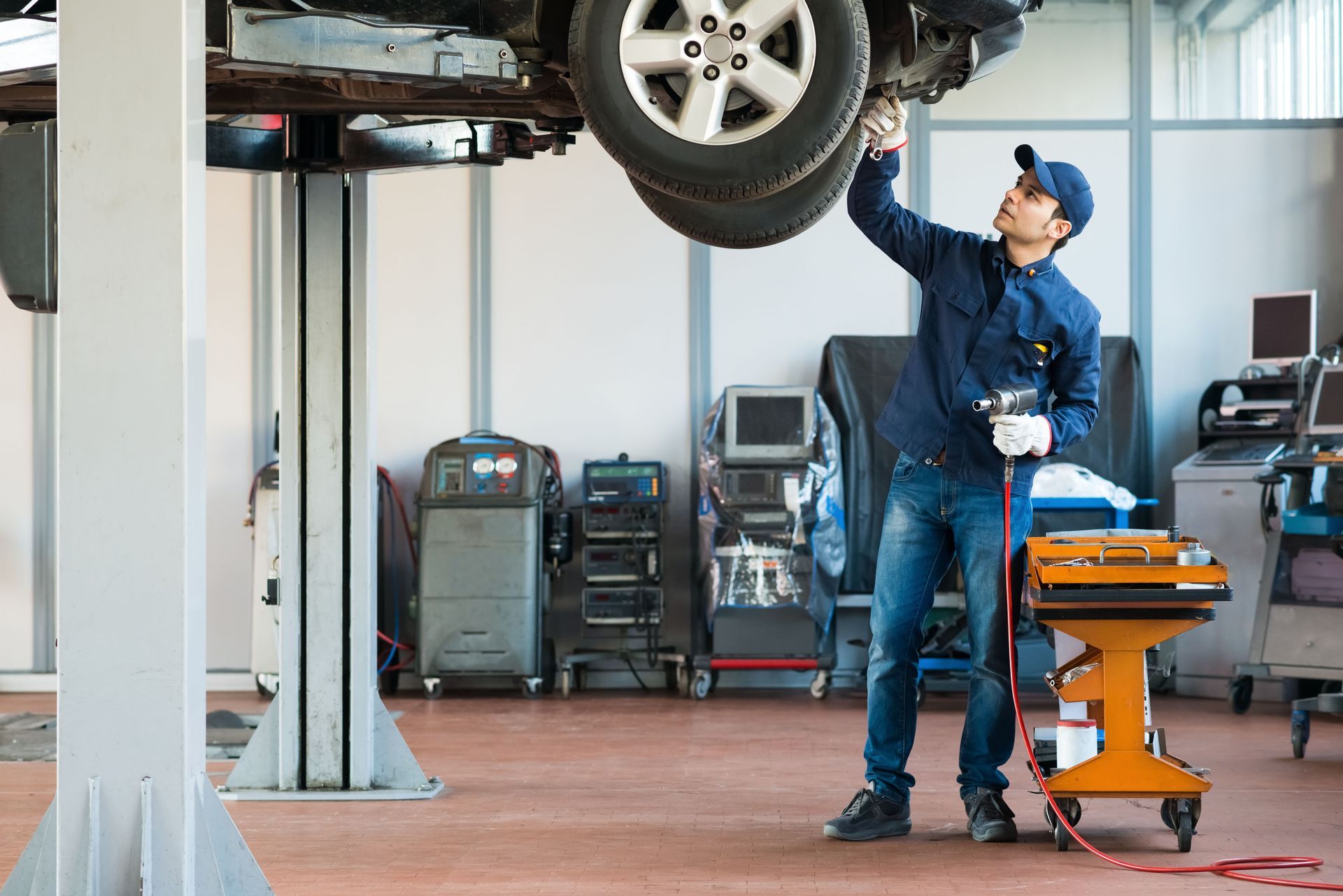
Regular vehicle inspections are the cornerstone of preventative maintenance. Identifying potential issues before they become problematic can significantly reduce repair costs and inconvenience. A standard inspection checklist includes examining tires, brakes, fluids, and lights. Professional mechanics have the expertise to spot even subtle signs of wear or damage that an untrained eye might miss. Investing in regular inspections ultimately pays off by boosting longevity and reliability.
Identifying potential issues early is crucial in avoiding major repairs. Mechanics can detect signs of wear and tear by performing comprehensive inspections. For instance, finding a small oil leak during an inspection can prevent a costly engine breakdown. Professional inspection provides peace of mind that systems are functioning as intended. The average cost of vehicle maintenance and repair comes to 9.83 cents for every mile driven, which emphasizes the importance of early problem detection.
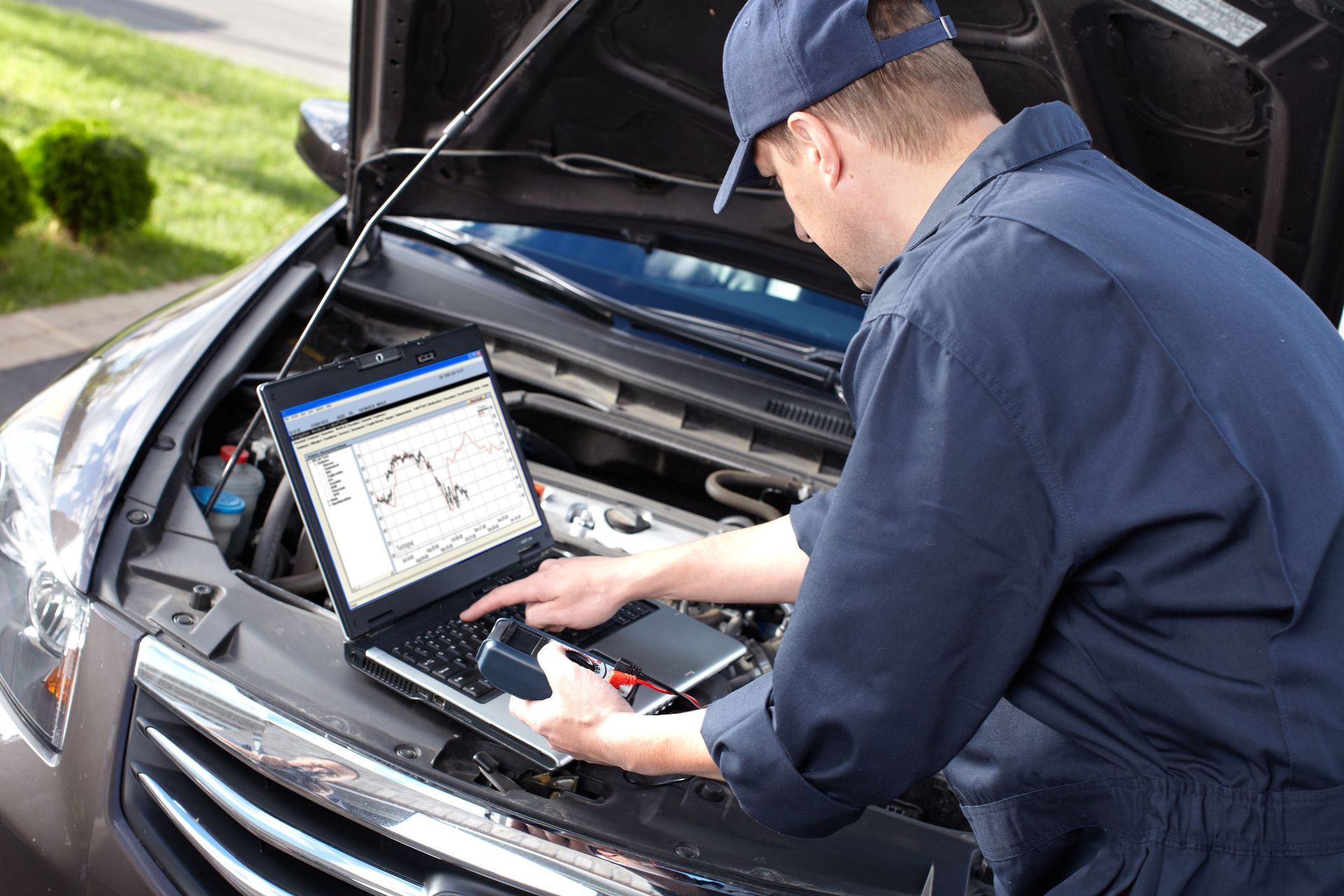
The frequency and timing of inspections are based on manufacturer recommendations and driving habits. For instance, frequent off-road driving may necessitate more regular checks. Similarly, seasonal inspection adjustments ensure your vehicle is ready for varying weather conditions. Furthermore, the benefits of professional inspections over do-it-yourself options are numerous, as mechanics use advanced diagnostic tools to confirm all aspects of the car are evaluated thoroughly. Many success stories reveal that minor issues detected early averted major breakdowns.
Maintaining Engine Health
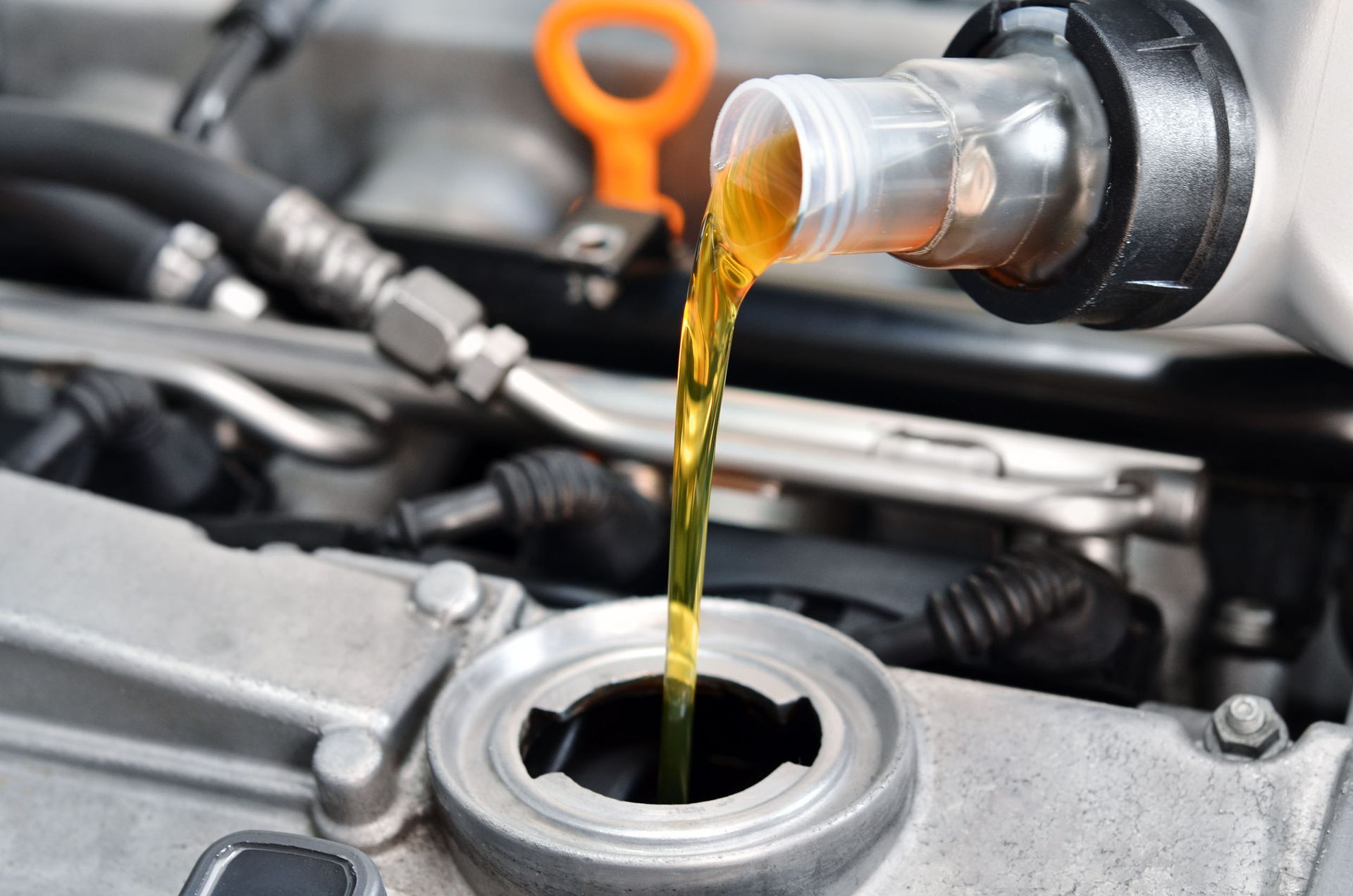
Maintaining engine health involves various tasks that keep an engine running smoothly. Regular oil changes are among the most critical aspects of engine maintenance. Clean oil helps reduce friction, wear, and tear between the moving parts. Following manufacturer guidelines for oil type and change intervals ensures that the engine performs at its best. In addition to oil, replacing air and fuel filters is vital for engine efficiency.
Monitoring and maintaining cooling systems are essential to avoid engine overheating. Checking coolant levels and inspecting hoses and the radiator for leaks should be part of routine maintenance. Replacing the timing belts and chains as per the manufacturer’s schedule prevents engine failure. Engine tune-ups improve performance and fuel economy, and mechanics often identify efficiency losses before they become noticeable to drivers.
Minor engine issues, if neglected, can lead to significant and costly vehicle failures. Mechanics provide essential services that support engine longevity and reliability through consistent maintenance practices. They possess the training to detect early signs of trouble that ordinary drivers might overlook. Routine service significantly lowers the chances of unexpected breakdowns that can disrupt daily schedules.
Brake System Maintenance
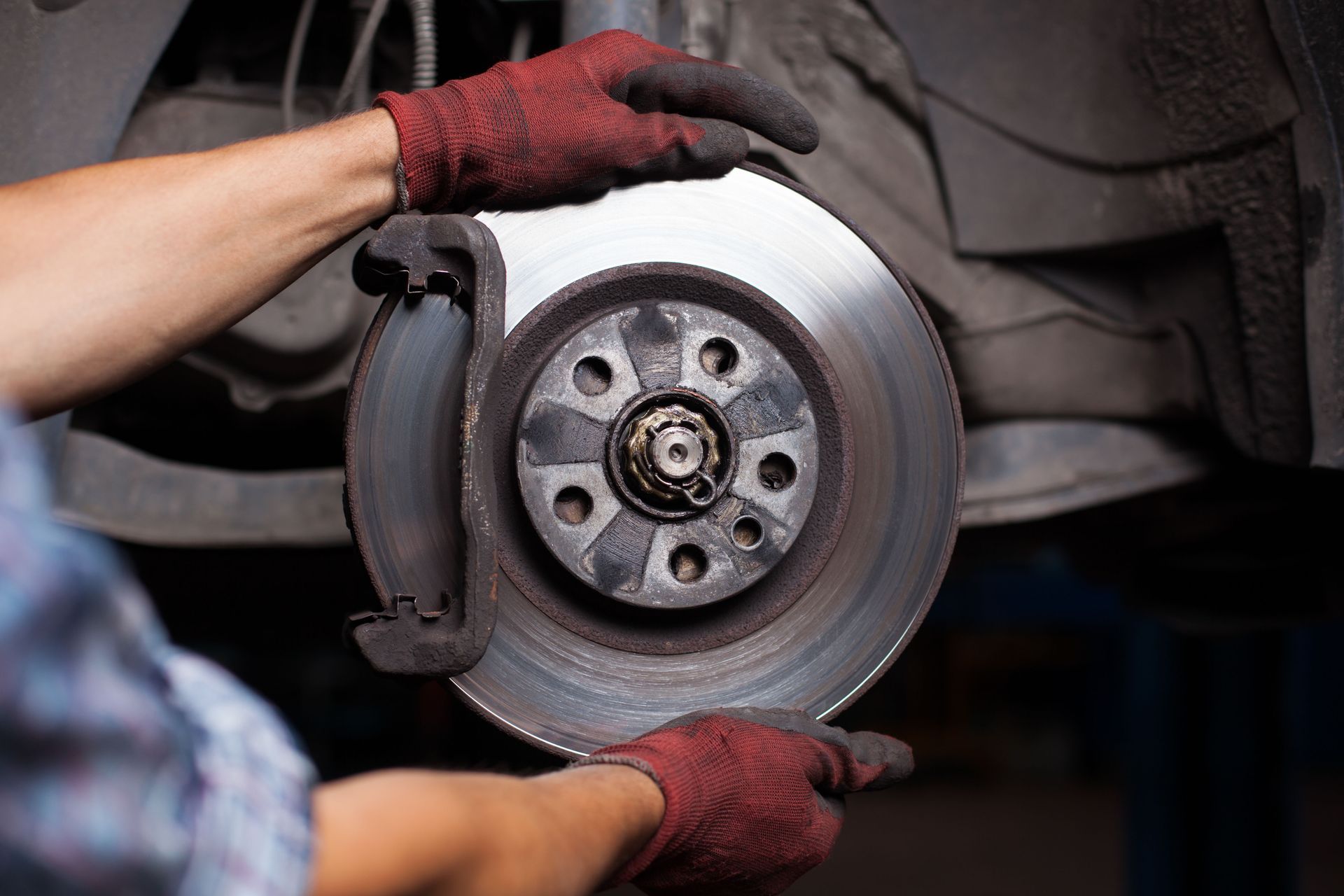
The basics of brake system components include rotors, pads, calipers, and brake fluid. These elements work together to provide stopping power, making regular brake system maintenance critical. Early detection of wear in these components prevents more severe damage. Regularly checking and replacing brake fluid is a fundamental maintenance task handled by experienced mechanics.
Signs of wear and tear, such as squeaking or a spongy brake pedal, require immediate attention. According to Progressive, a conventional car can last for 200,000 miles, but it will need maintenance throughout its lifespan. Mechanics can inspect and measure the thickness of brake pads to determine if they need replacing. Brake systems are intricate, and trained mechanics confirm that all components interact properly for reliable stopping performance.
Common brake repairs, such as pad replacements, are straightforward with professional oversight. Regular adjustments help brakes respond accurately whenever needed. Comprehensive brake inspections include checking the entire braking system, from pads to hydraulic lines. Mechanics understand the importance of precision, supporting both safety and long-term savings.
Tire Care and Management
The importance of correct tire pressure cannot be overstated, as it directly affects vehicle handling and fuel efficiency. Underinflated tires increase fuel consumption and wear more quickly than properly inflated ones. Conversely, overinflated tires reduce road contact, leading to instability and longer stopping distances. Mechanics often include tire pressure checks as part of routine service.
Regular tire rotations and alignments prolong the life of your tires. Rotation helps distribute wear evenly, while alignment corrects wheel angles. Mechanics use specialized equipment to confirm wheels are positioned correctly, improving handling and extending tire life. Routine checks for damage and tread depth help prevent blowouts.
Seasonal tire maintenance prepares vehicles for changing road conditions. Switching to winter tires improves traction in colder climates. Preventative steps recommended by mechanics help drivers maintain control year-round. Proper tire care reduces maintenance costs and supports overall vehicle performance.
Electrical System and Battery Maintenance
Battery life and timely replacement are vital to vehicle reliability. A well-maintained battery supports consistent starting and electrical performance. Mechanics routinely test battery health during inspections. If replacement is necessary, mechanics handle installation and disposal safely and correctly.
The alternator plays a key role in charging the battery and powering vehicle systems. A failing alternator can leave drivers stranded. Mechanics can test the alternator output and identify warning signs early. Regular inspections of electrical components keep modern vehicle systems operating properly.
Inspecting and maintaining electrical connections helps prevent power loss and sensor issues. Corrosion is a common cause of electrical failures, and mechanics clean and secure connections during routine service. Testing fuses, relays, and lighting systems reduces the risk of sudden electrical problems.
Fluid Maintenance Beyond the Engine
Transmission fluid supports smooth shifting and protects internal components. Mechanics check and replace this fluid according to manufacturer schedules. Power steering fluid inspections help prevent steering difficulty caused by leaks or low levels. Consistent service reduces the risk of costly component replacement.
Brake fluid and coolant play essential roles in safety and temperature regulation. Brake fluid absorbs moisture over time, which can impact braking performance. Coolant neglect increases the risk of overheating. Windshield washer fluid, though often overlooked, supports clear visibility during adverse conditions.
Ignoring fluid maintenance can lead to severe mechanical issues. Each fluid serves a distinct purpose, and mechanics confirm proper levels and condition during inspections. Working with trusted mechanics supports vehicle longevity and helps control maintenance costs, keeping ownership predictable and manageable.
Suspension and Steering System Maintenance
The suspension and steering systems play a major role in vehicle comfort, handling, and control. Components such as shocks, struts, ball joints, and control arms absorb road impact and keep tires in proper contact with the pavement. Over time, these parts wear down due to rough roads, potholes, and daily driving conditions.
Routine inspections allow mechanics to identify worn suspension and steering parts before they compromise safety. Addressing these issues early improves vehicle stability and prevents additional strain on tires and alignment components. Well-maintained suspension systems also contribute to shorter stopping distances and improved cornering.
Power steering systems also require attention, including checking fluid condition and inspecting hoses for leaks. Proactive maintenance keeps steering responsive and predictable in all driving conditions.
Preventative maintenance supports safety, performance, and long-term cost savings. Mechanics play a central role in maintaining vehicle reliability by addressing small issues before they escalate. Through consistent care and professional oversight, drivers can stay confident that their vehicles are prepared for the road ahead.
By partnering with qualified professionals and staying proactive with routine service, drivers reduce uncertainty and extend the usable life of their vehicles. Preventative maintenance promotes confidence behind the wheel, supports consistent performance, and minimizes disruptions caused by avoidable mechanical issues over time. Contact Auto Tech Plaza 21st Street today for more information.